How to use curated resource lists effectively
What curated resource collections are and why they help
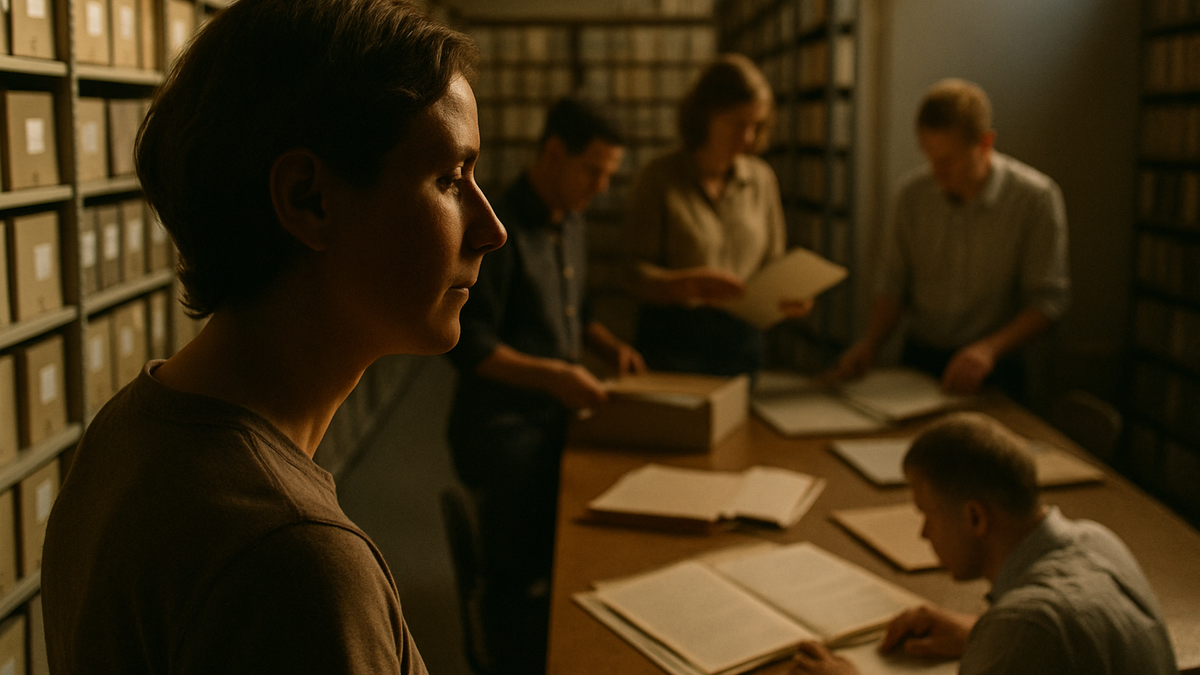
A curated resource collection is a hand-picked set of links, references, or materials gathered around a single topic. Unlike a raw search results page, which returns everything an algorithm can find, a curated list reflects human judgment: someone has already sifted through the noise and chosen items worth your attention. This filtering saves time and reduces the overwhelm that comes with facing thousands of undifferentiated results.
These collections help in several practical ways. First, they give you a starting map of a subject you may know little about, showing which topics are foundational and which are advanced. Second, they often group related materials together, so you can see how ideas connect. Third, a thoughtful curator usually removes outdated or low-value entries, sparing you the effort of spotting duds yourself. For example, if you are researching home gardening, a good list might separate beginner soil guides from specialized pruning tutorials, letting you enter at the right level. The value, however, depends entirely on how you use the list and how carefully it was assembled.
How to evaluate the quality of a curated list
Not every collection deserves your trust, so evaluate before you dive in. Start by looking at who assembled the list and whether they explain their selection criteria. A curator who describes why items were chosen, and when the list was last reviewed, signals accountability. Vague lists with no author, no date, and no reasoning warrant more caution.
Check the freshness of the entries. A resource list on a fast-moving subject like software tools can go stale within a year, while a list on historical topics ages more slowly. Look for signs of maintenance, such as recent updates or removed dead links. Next, scan the balance of the collection. A trustworthy list usually presents a range of perspectives rather than pushing a single viewpoint or repeatedly steering you toward one product. Be wary if every entry promotes the same paid service.
Finally, sample a few items directly. If the linked materials are substantive, clearly written, and match their descriptions, the curation is likely sound. If several links lead to thin or misleading pages, treat the whole list skeptically. A quick spot-check of three or four entries often tells you whether the remaining items are worth your time.
Setting a clear goal before you start exploring
A curated list can contain dozens of tempting entries, and without a goal you risk wandering aimlessly and finishing with scattered, shallow knowledge. Before opening the first link, write down what you actually want to accomplish. Are you trying to understand a concept for the first time, solve a specific problem, or compare options before making a decision? Each aim calls for a different path through the same collection.
Frame your goal as a concrete question you could answer in a sentence. Instead of 'learn about budgeting,' try 'find a simple method to track monthly household spending.' This precision helps you recognize which resources are relevant and which, however interesting, are beside the point. It also gives you a natural stopping signal: when you can answer your question with confidence, you are done, rather than reading endlessly.
If your topic is broad, break it into smaller sub-goals and tackle them one at a time. Someone researching a career change might separate 'understand what the role involves' from 'learn what training is required.' Matching each sub-goal to the relevant parts of the list keeps your exploration focused and your notes coherent.
Working through resources in a logical order
Once you have a goal, resist the urge to open every link at once. Move through the collection in a sequence that builds understanding. Begin with introductory or overview materials that define key terms and frame the subject. These give you the vocabulary and mental structure to make sense of more detailed resources later.
After the basics, progress to intermediate materials that add depth, then to specialized or advanced items only if your goal requires them. Many curated lists are already arranged this way, but if not, you can impose your own order by skimming descriptions and grouping entries by difficulty. For instance, when learning a new craft, watch a general 'getting started' guide before consulting a tutorial on a niche technique that assumes prior experience.
Work through one resource fully enough to extract its main points before jumping to the next. Rapidly bouncing between many sources tends to leave you with fragments rather than understanding. A steady, ordered pass usually produces clearer knowledge in less total time, and it makes the connections between resources visible instead of hidden.
Taking notes and organizing what you learn
Reading without recording means most of what you encounter fades quickly. As you move through a list, keep brief notes capturing the key idea of each resource, any surprising details, and how the item relates to your goal. You do not need elaborate systems; a simple document with a heading per resource works well.
Organize notes around your questions rather than around individual sources. Under each sub-goal, gather the relevant points from every resource that addressed it. This turns a pile of separate summaries into an answer you can actually use, and it quickly reveals where sources agree or disagree. Note the source of each claim so you can return to it later or check it against others.
Also jot down open questions the resources raised but did not resolve. These gaps often point to your next steps and prevent the false confidence of thinking you have covered a topic fully. For example, while researching a health question, you might note that one guide mentioned a side effect without explaining it, flagging it as something to verify with a more authoritative source.
Cross-checking information across multiple sources
A single resource, even a well-curated one, can be incomplete, biased, or simply mistaken. The habit that most protects you is cross-checking important claims against at least two independent sources. When several unrelated resources agree on a fact, your confidence in it can reasonably rise. When they conflict, you have found a point that deserves closer scrutiny rather than blind acceptance.
Pay special attention to claims that are surprising, that carry real consequences, or that appear only once across everything you read. If a single site tells you a particular practice is safe while others caution against it, do not simply pick the answer you prefer. Look for the reasoning behind each position and for the credentials or evidence supporting it.
Cross-checking is especially important for figures, dates, and instructions where errors matter. For example, before following a step-by-step process that involves cost or safety, confirm the key steps in a second reputable resource. This modest extra effort catches many errors that a single source would have passed along unquestioned, and it steadily builds your ability to judge reliability on your own.
Common mistakes to avoid when using curated lists
Even good resources can be undermined by poor habits. The most frequent mistake is treating the curator's judgment as final and skipping your own evaluation entirely. Curation is a helpful filter, not a guarantee of accuracy, so keep thinking critically about each item you open.
Another common error is trying to consume everything on a list. Long collections are meant to serve many different readers and goals; you are not expected to use every entry. Selecting the handful that match your specific question is smarter than exhausting yourself on the whole set. Related to this is the trap of endless collecting, where you save dozens of links but never actually read them, mistaking gathering for learning.
People also err by relying on outdated lists without checking dates, or by leaning on a single collection as though it represented the full scope of a topic. Consulting more than one curated source gives a broader, more balanced picture. Finally, avoid skipping note-taking; without a record, you repeat work and lose insights. Steering clear of these pitfalls turns a curated list from a tempting distraction into a genuinely efficient starting point for research.
Example
Quick checklist for getting the most from a curated resource list
| Step | What to do | Why it matters |
|---|---|---|
| Evaluate the list | Check author, date, criteria, and sample a few links | Ensures the collection is trustworthy before you invest time |
| Set a goal | Write your aim as a specific question | Keeps exploration focused and gives a clear stopping point |
| Order your reading | Start with overviews, then move to advanced items | Builds understanding step by step |
| Take notes | Record key points organized by question | Retains what you learn and reveals gaps |
| Cross-check | Confirm important claims in two or more sources | Catches errors and reduces bias |
| Avoid pitfalls | Skip nothing critical; don't try to read everything | Turns the list into an efficient tool, not a distraction |
FAQ
Do I need to read every resource on a curated list? No. Curated lists are designed to serve many readers with different goals. Choose the entries that match your specific question and skip the rest. Trying to consume everything usually leads to fatigue and shallow understanding rather than useful knowledge.
How can I tell if a curated list is trustworthy? Look for a named author or organization, an explanation of how items were selected, and a recent review date. Then sample three or four links to confirm they are substantive and match their descriptions. A list with no author, no date, and misleading entries deserves caution.
Should I trust information from just one resource on the list? It is safer to cross-check important claims against at least two independent sources. When several unrelated resources agree, your confidence can reasonably rise. When they conflict, examine the reasoning behind each position rather than accepting whichever answer is most convenient.
What is the biggest mistake people make with curated lists? Treating the curator's selection as a guarantee of accuracy and skipping their own judgment. Curation is a helpful filter, not proof that every item is correct or current. Keep evaluating each resource, check dates, and consult more than one collection for a balanced view.
Read next
Read more